Can a rental property be treated before the next tenant?
Yes. Turnover is the best time, since the unit is vacant and accessible. Share your move-in date with any provider so treatment and ventilation can be scheduled ahead of it.
For landlords and property managers
A unit that smells like the last tenant costs you lease-up time. This guide covers how a unit is assessed, which sources get removed versus treated, and how to fit the work into your turnover schedule.
This website is a draft preview. No phone line or request form is connected yet.
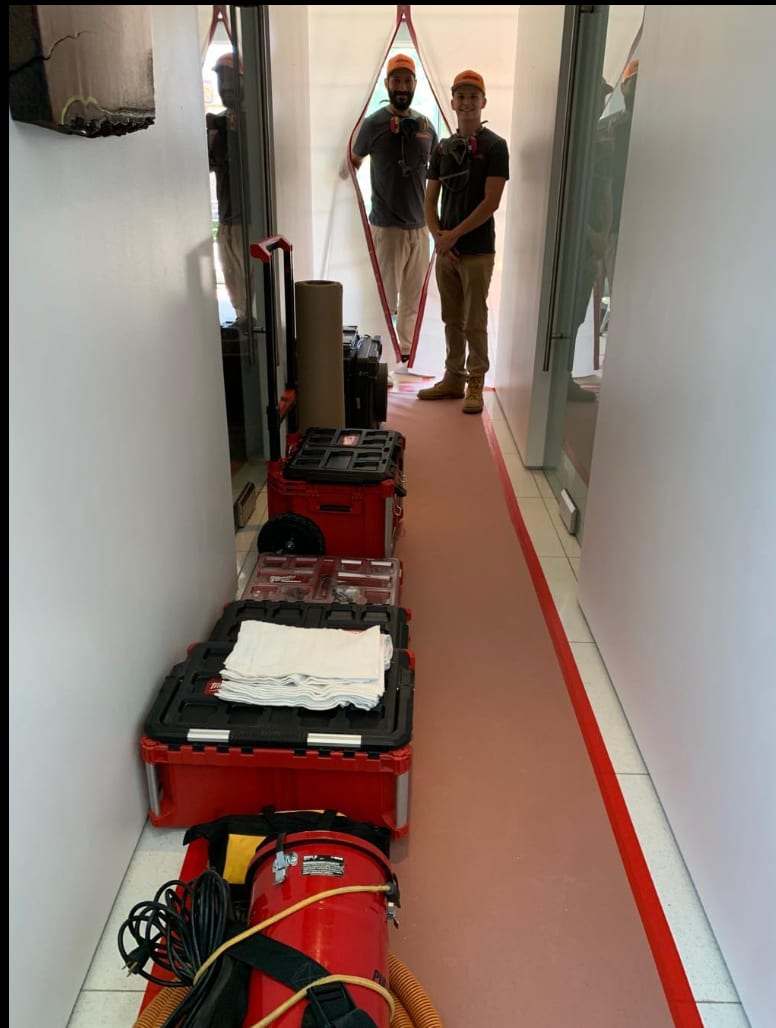
When a tenant who smoked or let a unit go musty moves out, the next lease often starts within days. Repainting and shampooing carpet may not solve the problem, because odor lives in carpet pad, subfloor, wall surfaces, cabinets, and the HVAC system, and prospective tenants notice it on the first showing.
A rental turnover works best as a defined scope: identify the sources, decide what needs to be removed versus treated, and complete treatment, including a controlled whole-unit treatment when appropriate, in time for painters, cleaners, and the next move-in.
Odor treatment works best as one step in a turnover, in the right order. Treating before repairs or cleaning, or painting before treatment, wastes days you don't have.
A good provider assesses each unit individually, then schedules the work to fit your timeline.
| No. | Step | What happens |
|---|---|---|
| 01 | Assessment | Identify every odor source and what materials it has reached. |
| 02 | Scope and quote | Explain what will be treated, what may need removal, and timing, before work starts. |
| 03 | Source work | Remove contaminated materials as agreed, clean and seal surfaces, and treat organic residue. |
| 04 | Whole-unit treatment | When appropriate, perform a controlled chlorine dioxide treatment in the vacant unit, followed by ventilation. |
| 05 | Hand back | The unit should be ready for painting, cleaning, and showing on the agreed schedule. |
Aurora is one of Colorado's largest cities, with a large rental market that spans single-family homes, townhomes, and apartment communities from the older northwest neighborhoods to newer development in the east and south. For landlords and property managers, turnover speed and unit condition directly affect vacancy costs.
The City of Aurora has rental licensing and inspection requirements for many rental properties, and Colorado law governs habitability and the handling of security deposits. Treatment documentation can support your records; legal questions should go to your attorney or property management advisor.
ZIP codes served: 80010 (Aurora), 80045 (Aurora), 80247 (Denver), 80012 (Aurora), 80011 (Aurora), 80014 (Aurora), 80017 (Aurora), 80013 (Aurora), 80015 (Aurora), 80018 (Aurora), 80019 (Aurora), 80016 (Aurora), 80137 (Watkins).
Also nearby: 80230, 80220, 80238, 80207, 80266, 80246, 80239, 80224, 80206, 80231, 80205, 80218, 80209, 80222, 80216, 80203, 80210, 80202.
A long-term tenant who smoked indoors moves out of a three-bedroom ranch home, and the next lease starts in two weeks.
A property manager traces a sharp smell in a vacant second-floor apartment to a rodent that died behind the kitchen cabinets.
A landlord with several Aurora townhomes wants a reliable turnover vendor for odor so units don't sit vacant.
Guides and worksheets for Aurora landlords and property managers.
Each explainer here takes one turnover problem and follows it from cause to fix: smoke and cannabis residue, dry drain traps in a vacant house, a dead refrigerator, a rodent in a wall, musty basement bedrooms, a duplex with one side still lived in.
Print these or copy them into a property file.
These scenarios are invented examples built from patterns common to single-family rentals, duplexes and fourplexes.
Aurora stretches across three counties and several generations of housing.
Do
Don't
Whether you're deciding on a deposit deduction, filing an insurance claim, or just keeping a file for the property, documentation done at turnover is easier than reconstructing it later.
Turnover file checklist
Yes. Turnover is the best time, since the unit is vacant and accessible. Share your move-in date with any provider so treatment and ventilation can be scheduled ahead of it.
It depends on the unit size and scope. Many treatments take a day or two, plus ventilation time. Ask for the timing in writing with the quote.
Colorado law allows deductions for damage beyond normal wear and tear, subject to the lease and statutory requirements. Consult your attorney or property manager.
Often, yes. Mention the number of units and timelines when you ask a provider for a quote.
Chlorine dioxide is used in controlled conditions in a vacant space, followed by ventilation before re-entry. Ask the provider to explain preparation, dwell time, ventilation, and re-entry before scheduling.
Usually not. Smoke residue can bleed through paint. Surfaces should be cleaned and treated, and sometimes sealed with an odor-blocking primer, before painting.
That depends on your lease and on Colorado's security deposit law, which limits deductions to damage beyond normal wear and requires an itemized statement. It's a question for you or your attorney. Ask whoever does the work for an itemized invoice describing what was done.
This form is not connected. This website is a draft preview: no business has been confirmed to receive requests, so the fields below are switched off and nothing can be sent. In an emergency, call 911.